Positionless basketball has transformed the NBA faster than any trend since the three-point revolution. As traditional roles disappear, coaches are scrambling to redesign schemes, rotations, and development systems. This in-depth analysis explains how positionless basketball is reshaping the league, why it’s breaking old structures, and why many coaches are struggling to adapt to a rapidly evolving game.
Introduction: When Basketball Stopped Following the Rulebook
For most of basketball history, the game followed a familiar script.
Point guards handled the ball. Centers protected the rim. Power forwards battled in the post. Coaches could glance at a lineup card and instantly understand how the game would flow.
That era is over.
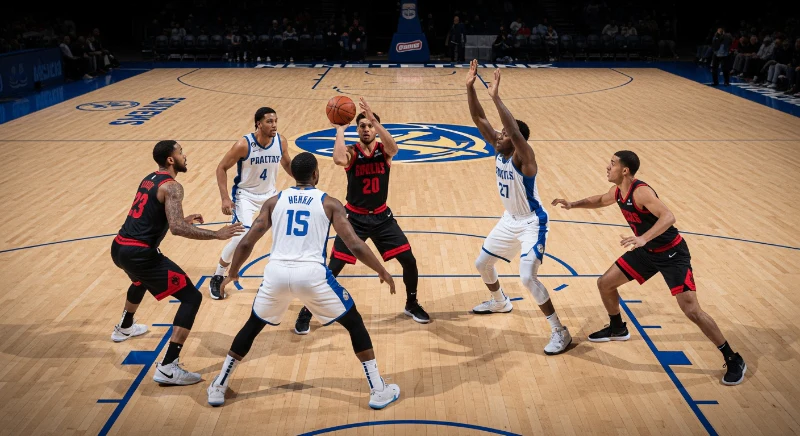
Across today’s NBA, players routinely blur every positional line. A 6’9” forward initiates offense. A guard defends the opposing center. A “big man” runs the fast break and fires cross-court passes.
This shift—known as positionless basketball—isn’t just a tactical wrinkle. It’s a fundamental transformation that is dismantling traditional systems, forcing coaches into uncomfortable territory, and redefining what it means to build a winning team.
For players, it’s freedom.
For coaches, it’s chaos.
What Does Positionless Basketball Actually Mean?
Despite the buzzword, positionless basketball doesn’t mean positions no longer exist. Instead, it means positions no longer limit responsibilities.
In today’s NBA, players are judged less by labels and more by impact. Coaches care about:
- Whether a player can defend multiple positions
- How quickly they process reads
- Whether they can create advantages without the ball
- How well they fit into five-man actions
The question has shifted from “What position does he play?” to “What problems does he solve?”
That subtle shift is quietly breaking the league’s old logic.
How Did Positionless Basketball Take Over So Quickly?
The Evolution Was Inevitable
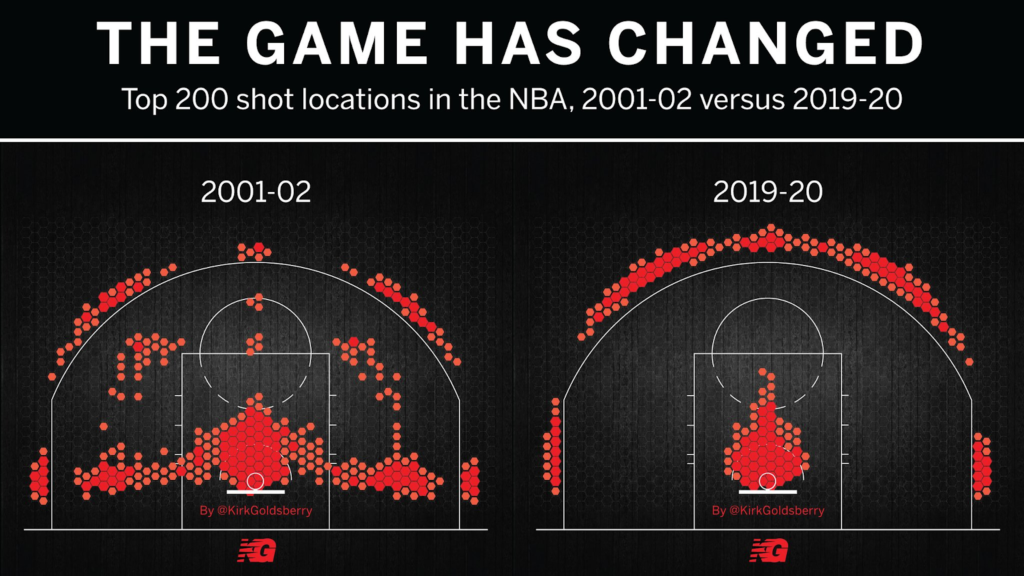
The seeds of positionless basketball were planted years ago, but the trend accelerated once teams realized versatility wins championships.
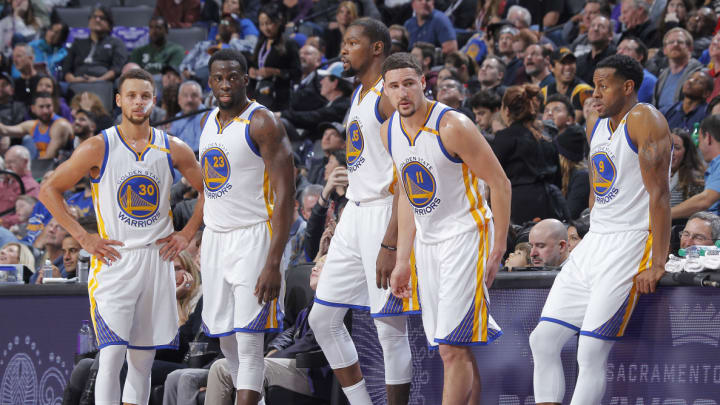
One of the clearest early examples came from the Golden State Warriors, whose success relied on interchangeable defenders and fluid offensive roles rather than fixed positions.
Draymond Green wasn’t a traditional center or forward—yet he anchored lineups defensively, initiated offense, and closed games. That success forced other franchises to rethink what “fit” really meant.
Once teams copied that blueprint, the shift became unstoppable.
Why Coaches Are Panicking (Even If They Won’t Admit It)
Positionless basketball strips away predictability.
Traditional coaching relies on:
- Defined roles
- Structured rotations
- Clear matchup logic
Positionless lineups destroy those assumptions. When every player can handle, pass, shoot, and defend multiple spots, game plans must adapt on the fly.
This creates stress points for coaches:
- Fewer “safe” substitutions
- Constant defensive communication demands
- Increased reliance on player decision-making
For coaches raised on control and structure, this feels like losing the steering wheel.
Real-Life Example: Defensive Switching Chaos
Modern defenses are built around switching. If one player can’t switch, opponents hunt that weakness relentlessly.
That’s why versatile defenders like Draymond Green, Jayson Tatum, and Giannis Antetokounmpo are so valuable—they erase mismatches before they form.
For coaches, this means:
- Teaching universal defensive principles
- Trusting players to communicate in real time
- Accepting that one mistake can swing momentum
Positionless basketball leaves no hiding places.
Why Traditional Positions Are Failing Modern Systems
The old positional model assumed static roles in a dynamic game.
Modern offenses force defenders into constant decisions:
- Help or stay home
- Switch or fight through
- Trap or recover
Players who excel at one task but struggle elsewhere become liabilities. A dominant post scorer who can’t defend in space, or a guard who can’t switch defensively, gets exposed quickly.
Positionless basketball doesn’t punish size—it punishes inflexibility.
The Center Position: Adapt or Disappear
No role illustrates this panic better than the center position.
Traditional big men who:
- Can’t switch onto guards
- Can’t pass out of pressure
- Can’t threaten defenses outside the paint
are increasingly played off the floor in high-leverage moments.
Meanwhile, players like Nikola Jokic thrive because they redefine what a center can be—offensive hub, elite passer, and decision-maker.
For coaches, the message is blunt: skill versatility matters more than size.
How Positionless Basketball Is Rewriting Player Development
The impact extends beyond the NBA.
Youth and AAU programs now emphasize:
- Ball-handling regardless of height
- Learning multiple defensive roles
- Reading the game instead of memorizing plays
This produces athletes who resist rigid categorization—and challenges coaches who still rely on traditional templates.
The next generation of players isn’t learning positions first. They’re learning principles.
The Coaching Identity Crisis
For decades, coaching identity was built on mastery of schemes.
Positionless basketball forces a philosophical pivot:
- Teach decision-making instead of memorization
- Accept controlled chaos as part of offense
- Empower players rather than dictate roles
This shift explains the panic. It’s not about knowledge—it’s about relinquishing control.
Why Positionless Basketball Wins in the Playoffs
Playoff basketball exposes weaknesses brutally.
Positionless teams succeed because they:
- Neutralize mismatches instantly
- Adjust lineups without substitutions
- Maintain spacing under pressure
- Hide defensive liabilities
Rigid teams struggle because playoff series demand constant adaptation. Coaches know this—and that urgency fuels the league-wide shift.
Is Positionless Basketball Making the Game Better or Worse?
Fans are divided.
Supporters argue it creates:
- Smarter basketball
- More skilled players
- Fewer predictable matchups
Critics worry it leads to:
- Homogenized play styles
- Fewer distinct archetypes
- Reduced post play
The truth lies in between. The game isn’t losing variety—it’s redefining value.
Why Positionless Basketball Is “Breaking” the League
It’s not breaking the game—it’s breaking assumptions.
- It exposes outdated coaching systems
- It devalues one-dimensional players
- It accelerates mismatch exploitation
- It raises the mental demands of the sport
- It forces faster strategic evolution
Change feels disruptive before it feels normal.
What Coaches Must Do to Survive This Era
To succeed in a positionless league, coaches must:
- Teach principles over plays
- Build lineups around versatility
- Accept role fluidity
- Trust players to make reads
Those who adapt thrive. Those who resist get left behind.
Key Takeaways (Quick Read)
- Positionless basketball now defines the NBA
- Traditional positions no longer limit roles
- Coaches are adjusting to loss of control
- Versatility beats specialization in the playoffs
- The trend is accelerating, not fading
Frequently Asked Questions (FAQ)
1. What is positionless basketball?
Ans. A style where players aren’t confined to traditional roles and can handle, defend, and create across positions.
2. Why are coaches struggling with it?
Ans. Because it disrupts rigid systems and forces reliance on player decision-making.
3. Is positionless basketball a new trend?
Ans. No, but its dominance has grown rapidly due to spacing and switching defenses.
4. Does this hurt traditional big men?
Ans. Yes—unless they can pass, shoot, or switch defensively.
5. Which teams benefit most from this style?
Ans. Teams with versatile wings and strong defensive communication.
6. Is youth basketball changing because of this?
Ans. Absolutely. Young players are now trained to be multi-skilled.
7. Does positionless basketball make games less exciting?
Ans. Opinions vary, but it often produces smarter, faster play.
8. Can old-school coaching still work?
Ans. Only if it adapts to modern spacing and versatility demands.
9. Is positionless basketball here to stay?
Ans. Yes. It aligns with modern rules, analytics, and player skill sets.
10. What’s the biggest misconception about positionless basketball?
Ans. That it eliminates roles—when it actually multiplies them.
Final Thoughts
Positionless basketball isn’t a fad. It’s a structural shift reshaping how the game is played, taught, and coached.
The panic among coaches isn’t about confusion—it’s about speed. The game is evolving faster than tradition can keep up.
The league isn’t broken.
It’s being redefined in real time.