Load management was meant to protect NBA stars and preserve playoff health, but it failed to reduce injuries or satisfy fans. Now, a new trend—forced availability and compressed workloads—may be even more damaging. This in-depth analysis explores why load management fell apart, what replaced it, and why the NBA could be creating a bigger long-term problem for players and fans alike.
Introduction: When the Fix Became the Flaw
For years, load management was sold as the future of basketball health.
Teams rested stars. Sports science departments expanded. Minutes were tracked, workloads were monitored, and data ruled decisions. Fans were told to trust the process—that fewer regular-season appearances would lead to healthier playoffs and longer careers.
But the results never matched the promise.
Superstars still went down with injuries. Playoff series were still shaped by who was available and who wasn’t. And fans increasingly felt disconnected from a product that asked them to pay full price for partial participation.
Now, the NBA is responding—but in a way that may be even more dangerous.
The league’s push toward maximum availability, driven by public backlash and policy changes, is creating a new trend that prioritizes appearances over health. And many believe this new approach could be worse than load management ever was.
What Load Management Was Supposed to Achieve
At its core, load management aimed to solve three interconnected problems:
- Reduce injury risk over an 82-game season
- Preserve star players for the playoffs
- Extend careers in an increasingly physical league
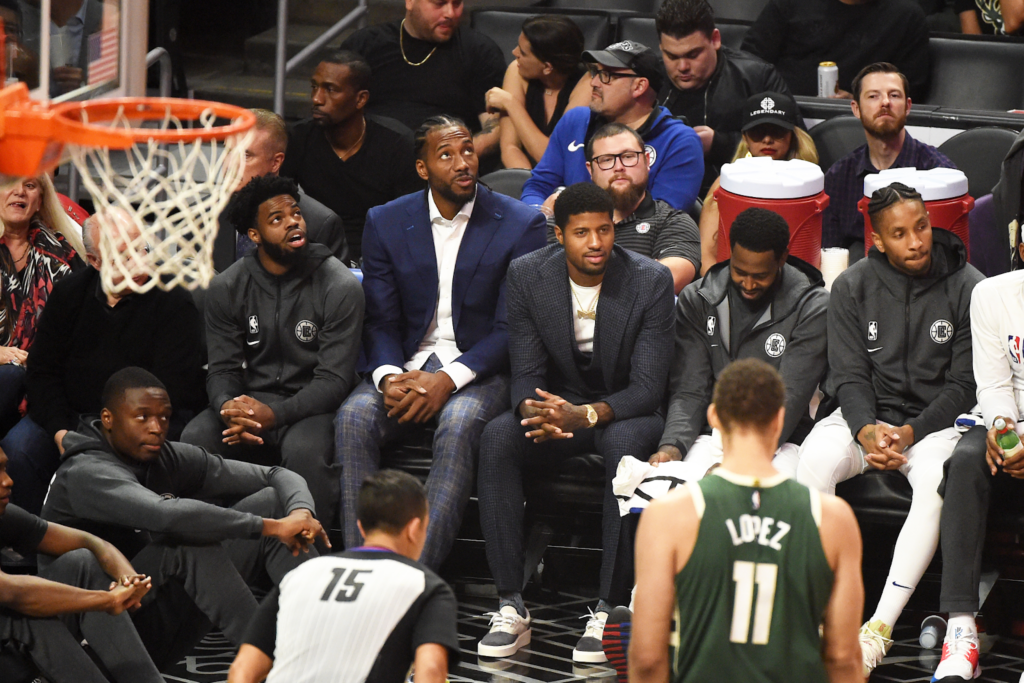
The model gained legitimacy when teams pointed to cases like Kawhi Leonard, whose carefully managed workload coincided with elite postseason performances.
The logic was simple: fewer miles on the body equals better outcomes.
But basketball is not linear—and bodies don’t always respond predictably.
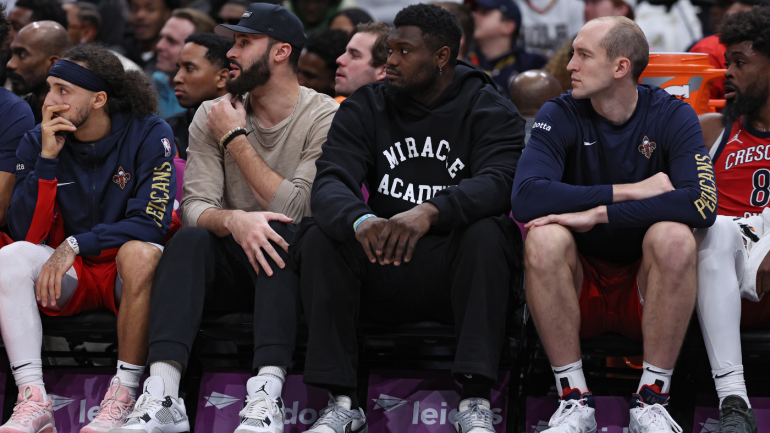
Why Load Management Failed to Deliver
Load management didn’t fail because rest is bad. It failed because the strategy ignored how injuries actually occur.
Despite playing fewer games:
- Soft-tissue injuries continued
- Non-contact breakdowns increased
- Stars still missed playoff games
Worse, rest often disrupted rhythm. Players returned from breaks rusty, only to ramp up intensity too quickly. The result was a paradox: rested players still getting hurt.
Meanwhile, fans grew frustrated. Season-ticket holders felt cheated. National TV games lost star power. Trust eroded.
Eventually, the league had to respond—not to science, but to perception.
The NBA’s Reaction: Tightening the Rules
Facing declining ratings and fan outrage, the NBA introduced stricter availability rules. Star players were expected to appear in more games, especially marquee matchups.
The message was clear:
Fans deserve to see stars play.
But this response didn’t address the root issue. It simply flipped the pressure.
Instead of resting strategically, teams now face incentives to play stars through minor injuries, fatigue, and soreness. The result is a new trend—availability pressure overload.
What Is the New Trend Replacing Load Management?
The league hasn’t eliminated load management—it has rebranded it.
Instead of scheduled rest, teams now:
- Play stars with minute restrictions rather than full rest
- Push players through “manageable” injuries
- Compress recovery windows between high-intensity games
On paper, stars are available. In reality, many are compromised.
This shift satisfies box scores and broadcast schedules—but it may be quietly increasing long-term risk.
Why This New Trend Might Be Worse
Load management angered fans, but it aimed to protect bodies.
The new approach protects optics.
Playing fatigued players more often increases:
- Injury severity
- Recovery time
- Risk of reinjury
Sports medicine research consistently shows fatigue is a leading predictor of serious injury. Playing “a little hurt” isn’t neutral—it compounds stress on the body.
This is why many trainers quietly worry the league has overcorrected.
Real-Life Patterns Fans Are Starting to Notice
Fans may not track biomechanics, but they recognize patterns.
Recent seasons have featured:
- Stars playing through visible discomfort
- Playoff performances limited by lingering injuries
- Championship outcomes shaped by attrition rather than skill
The frustration now feels different. Instead of stars missing games outright, fans are watching them struggle through games they clearly aren’t ready for.
Availability has replaced excellence.
The Science the Public Rarely Hears
Sports science doesn’t support extremes.
Key findings consistently show:
- Fatigue raises injury risk exponentially
- Recovery time matters as much as minutes played
- Stress accumulation isn’t evenly distributed
One overextended game can be more damaging than two missed ones.
Load management oversimplified rest. Forced availability oversimplifies toughness. Both ignore nuance.
Why Fans Are Stuck in the Middle
From a fan’s perspective, both eras feel like losses.
During load management:
- Tickets felt like gambles
- Star matchups disappeared
- Trust eroded
Now:
- Stars play but underperform
- Injuries still peak in the playoffs
- Championships feel incomplete
Fans don’t want excuses or illusions. They want stars healthy when it matters most.
Is the NBA Schedule the Real Culprit?
Many experts believe the schedule remains the core problem.
The NBA still features:
- Back-to-back games
- Heavy travel demands
- High-pace, high-spacing play styles
Instead of rethinking structure, the league has toggled between rest and pressure. Neither solves the underlying issue of cumulative stress.
Coaches and Trainers Are Quietly Alarmed
Publicly, coaches emphasize competitiveness and accountability. Privately, many worry about sustainability.
Modern basketball demands:
- More sprinting
- More defensive switching
- More space coverage
Energy expenditure per possession is higher than ever. Forcing availability without rebalancing workload distribution is a dangerous experiment.
What a Smarter Alternative Could Look Like
The solution likely lives between extremes.
A healthier model would include:
- Minute limits instead of game absences
- Deeper rotations to spread workload
- Smarter scheduling density
- Transparent communication with fans
Protecting stars doesn’t require deception—it requires honesty.
Why This Debate Won’t Fade Anytime Soon
As long as postseason injuries define outcomes, the debate will persist.
Load management failed publicly. Forced availability may fail physically.
The league must decide whether it values:
- Short-term optics
- Or long-term excellence
Right now, the answer feels unresolved.
Key Takeaways (Quick Read)
- Load management didn’t eliminate injuries
- The new availability push may increase risk
- Playing hurt isn’t the same as being healthy
- Fans want quality, not just presence
- Structural fixes matter more than optics
Frequently Asked Questions (FAQ)
1. What is load management in the NBA?
Ans. A strategy where teams rest players during the regular season to reduce fatigue and injury risk.
2. Why did load management fail?
Ans. It didn’t significantly reduce injuries and alienated fans without improving playoff availability.
3. What trend is replacing load management?
Ans. Increased pressure for stars to play more games, even when not fully healthy.
4. Why might this new trend be worse?
Ans. Because playing through fatigue can increase injury severity and long-term damage.
5. Are players being forced to play hurt?
Ans. Not officially, but league and team pressures encourage availability over recovery.
6. Does load management help prevent injuries at all?
Ans. It can help in specific cases but isn’t a universal solution.
7. Why do fans dislike load management so much?
Ans. Fans pay to see stars and often feel misled when they don’t play.
8. Can the NBA fix this problem?
Ans. Yes, through smarter scheduling, minute limits, and better transparency.
9. Are injuries worse now than in past eras?
Ans. Many experts believe injury timing and severity have become more damaging.
10. What’s the best path forward for the NBA?
Ans. Balanced workload management—not extremes in rest or forced play.

Final Thoughts
Load management didn’t work—not because rest is bad, but because it was implemented without trust or structural reform.
Now, the NBA risks swinging too far in the opposite direction. Availability without health is an illusion, and forcing stars onto the floor doesn’t guarantee better basketball.
Fans don’t want empty seats—or empty performances.
They want stars who are healthy when it matters most.
Until the league addresses the root causes instead of the optics, this problem won’t disappear—it will evolve.